Sèves
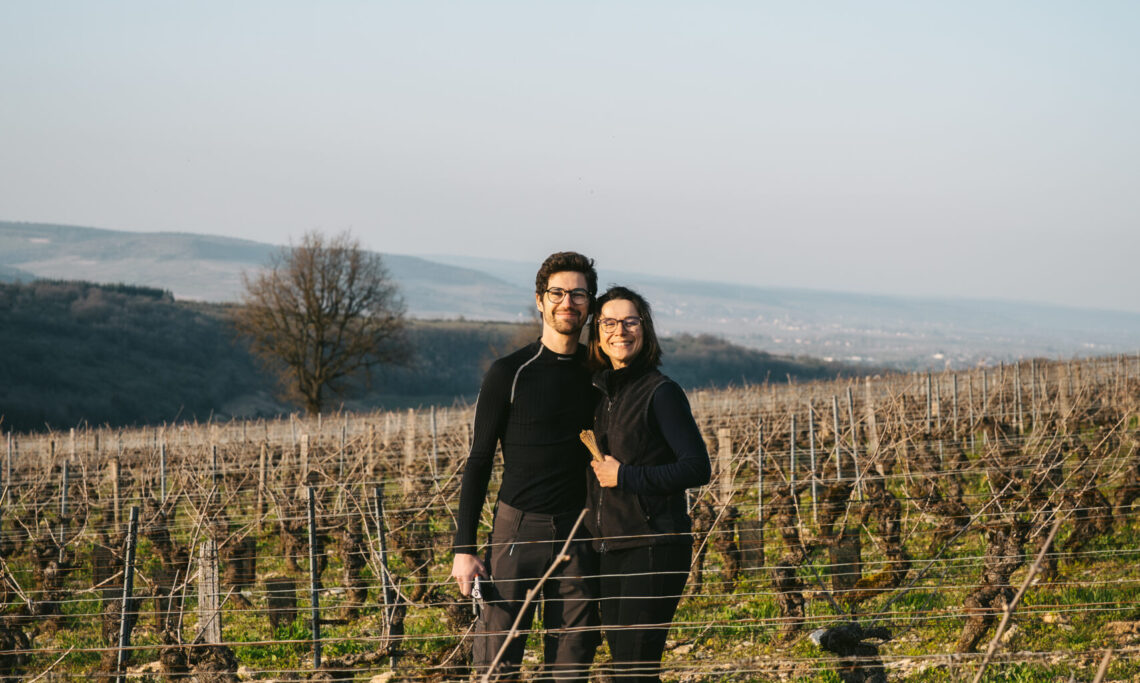
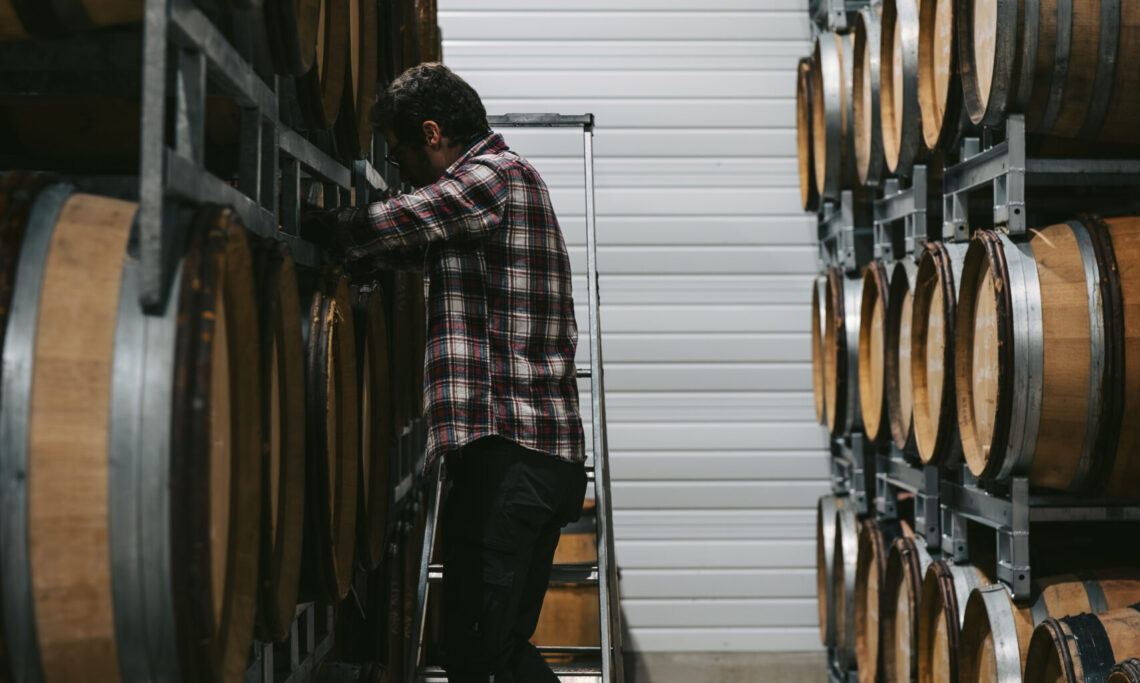
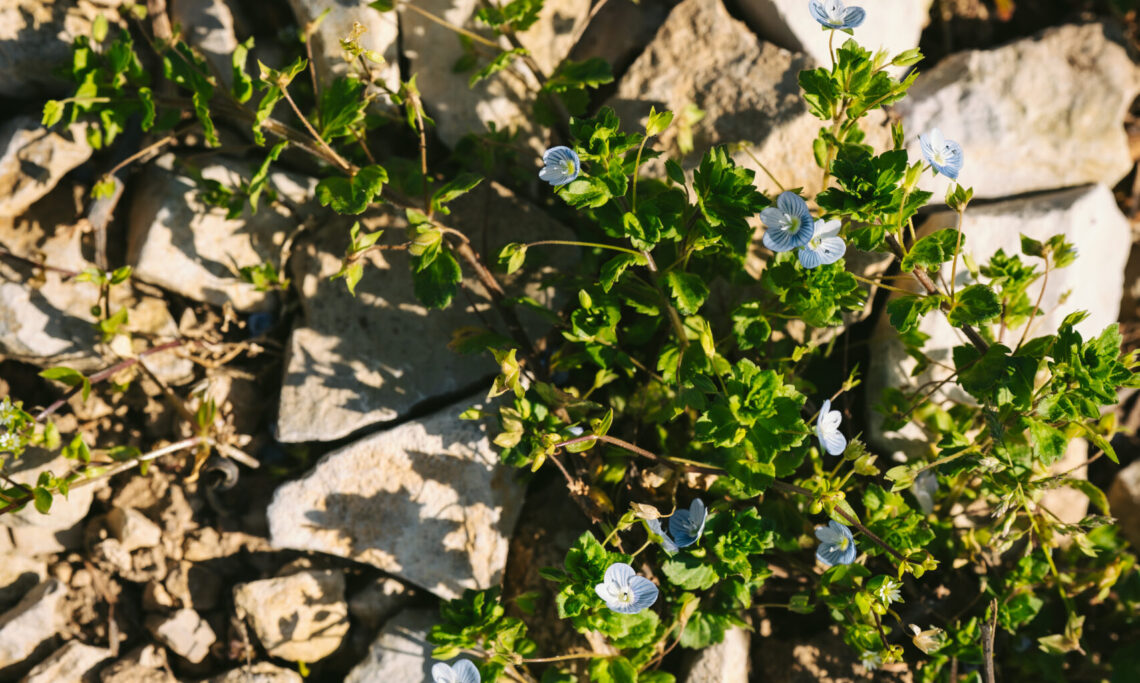
Images courtesy of Anne-Claire Héraud.
Domaine Profile

- Location: Bouzeron, Côte Chalonnaise, Burgundy
- Surface Area: 0.89 ha (2.19 ac)
- Varieties: Aligoté
- Viticulture: Organic (AB, 2026), high-density plantation, manual hedging, minimal tractor use, cover crops (faba beans, peas, rye), herbal treatments.
- Vinification: Pressed with whole clusters for 3-4 hours, ambient yeast fermentation and aging for 12 months in 228 and 400 L barrels, blended and aged for 4 months in stainless steel tanks, no fining or filtration, SO2 added after malolactic conversion and adjusted before bottling.
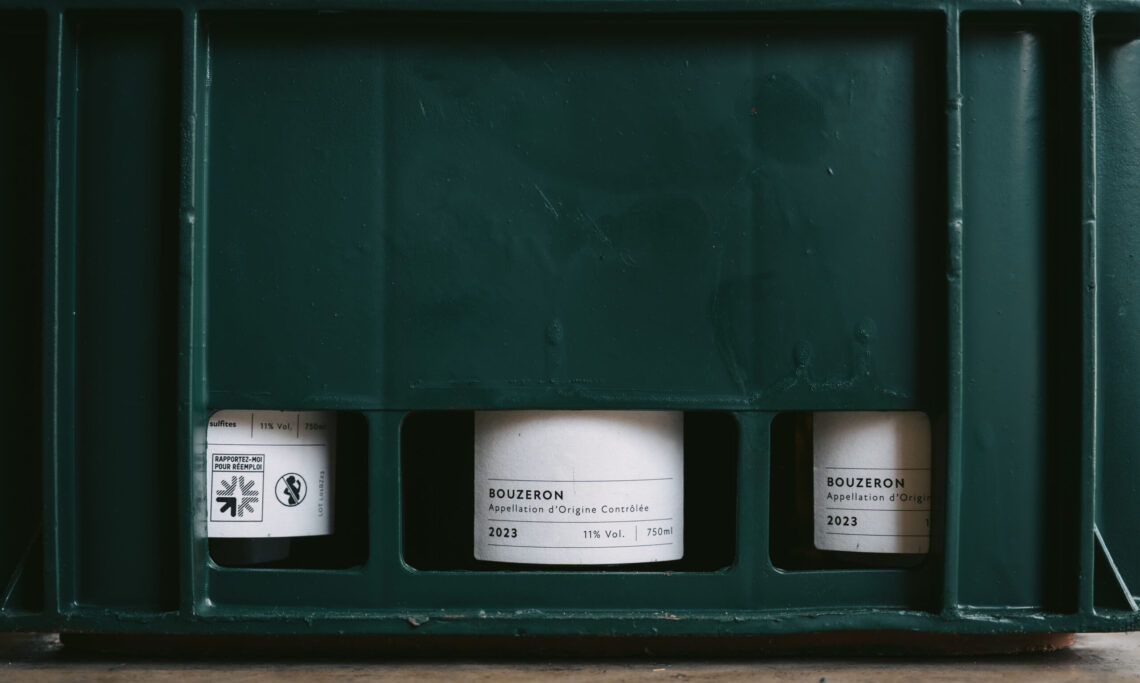
- Packaging: Lightweight bottles (513 grams, certified for reuse), beeswax seals (no aluminum capsule), labels printed on uncoated recycled paper with no colored ink or foil.
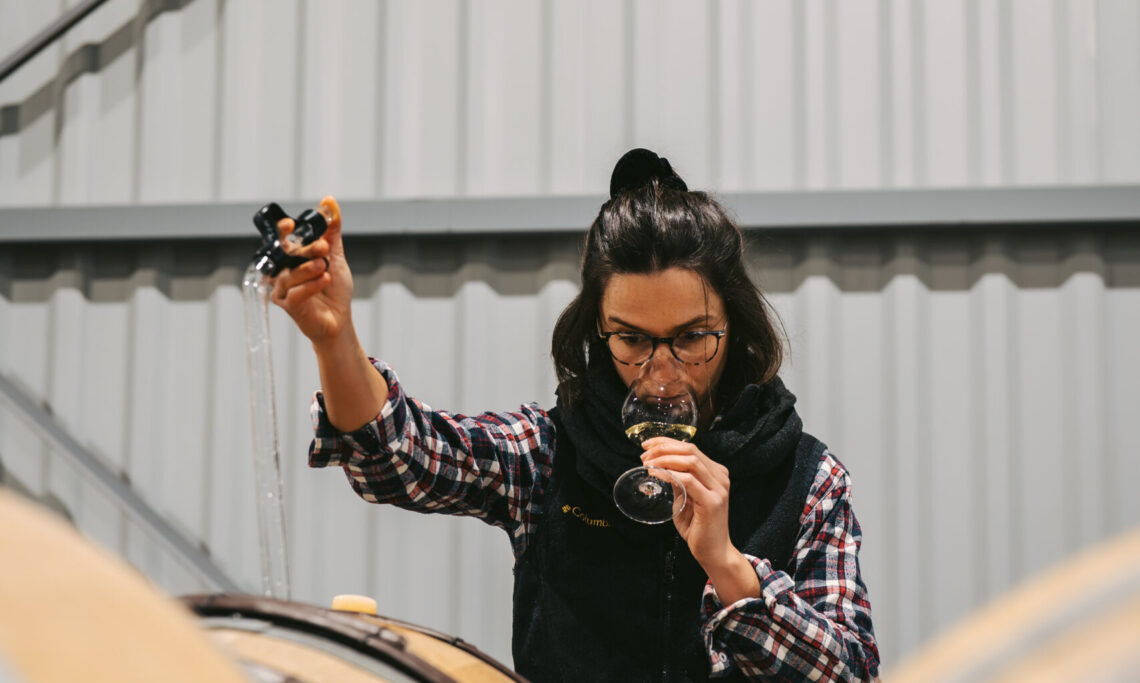
Marie Baltus and Foulques Bertholet were born in Auxerre and Autun, respectively, and met at the wine school in Beaune. Marie interned at Chanterêves and Claire Naudin; Foulques at Sylvain Pataille, De Villaine, and Maison Bouchard; and both worked at Cassiopée and Craggy Range. We met the couple when Icy was working at Chanterêves with Marie. It was an instant crush: they are whip-smart, passionate, humble, and superbly mannered. We drank a lot of cider together because making it was Marie’s original focus. (She also staged with Jacques Perritaz in Normandy.) In 2023, Marie and Foulques purchased a 0.63 ha plot of Aligoté called Les Cordères in Bouzeron that was planted in 1981. It faces northwest at an elevation of 380 meters — the highest in the appellation — where it is exposed to frequent northerly winds that help minimize disease pressure and maintain acidity. It lies on white marl bedrock beneath 70 cm of silty-clay soil containing 50% angular gravel. In non-geologist jargon: it is VERY stony. Much like the galets in Châteauneuf-du-Pape, the gravel in Les Cordères reflects sunlight, which causes earlier bud-break and speeds up the green season despite the cooling effects of the northerly winds and elevation. Les Cordères was certified organic in 2026. Their new Aligoté parcel, 26 ares of 60-year-old vines at an elevation of 415 meters in Bouze-lès-Beaune, is undergoing organic conversion. In Les Cordères, cover crops are sown every three rows, with plans to rotate rows every three years. Their cover crop mix is composed of rye, faba beans, and peas, which capture atmospheric nitrogen and fix it in the soil. The couple also favors phytosanitary plant-based prophylaxes and remedies. For example, to fight bud-eating caterpillars, they spray macerations of thyme, oregano, and savory — “Just like on a pizza,” Foulques quips. Though holistic farming is a deeply held conviction, they are scientifically minded. Before adopting a treatment, they pore over studies on the efficacy of the plants they plan to use. With the same mindset, we were not a shoo-in to represent them in the US, despite our friendship. They interviewed us, not we them. In their cellar, a shared facility in Chassagne-Montrachet, whole clusters are pressed for 3 to 4 hours, longer than the norm in Burgundy. It browns the juice, and the short skin contact adds texture and depth. Ambient yeast fermentation without added SO2 is followed by aging for 12 months in 228- and 400-L used barrels, and an additional 4 months in stainless steel tanks after racking to blend. There is no fining or filtration. SO2 is first added after malo and adjusted before bottling to a total of 50-60 ppm. Marie and Foulques are very mindful of sustainability. They use lightweight, 513-gram bottles certified for reuse in France, beeswax seals instead of aluminum capsules, and labels printed on uncoated recycled paper. With such a limited production, the couple needs to supplement their income. Marie works at Puy de l’Ours in Savigny-lès-Beaune. Foulques works at the CAVB, the umbrella organization representing Burgundy’s winegrowers and appellation associations, where he helps defend their collective interests and provides them with technical, legal, and administrative support.
Wines
-
White